Beaver Creek PFA Fishing Trip: A Slow Start and a Big Bass Finish
Sometimes a fishing trip does not start the way you planned, but that does not mean it will end badly. Our evening trip to Beaver Creek PFA was a good reminder of that.
The plan was simple: stop for live minnows, head to the pier, and see what was biting before dark. But like many fishing trips, the first adjustment came before we even got to the water. We stopped to pick up live minnows, only to find out they were sold out. So instead, we settled for worms. They were about $5 for a handful, which felt a little pricey, but when you want to fish, you work with what you can get.
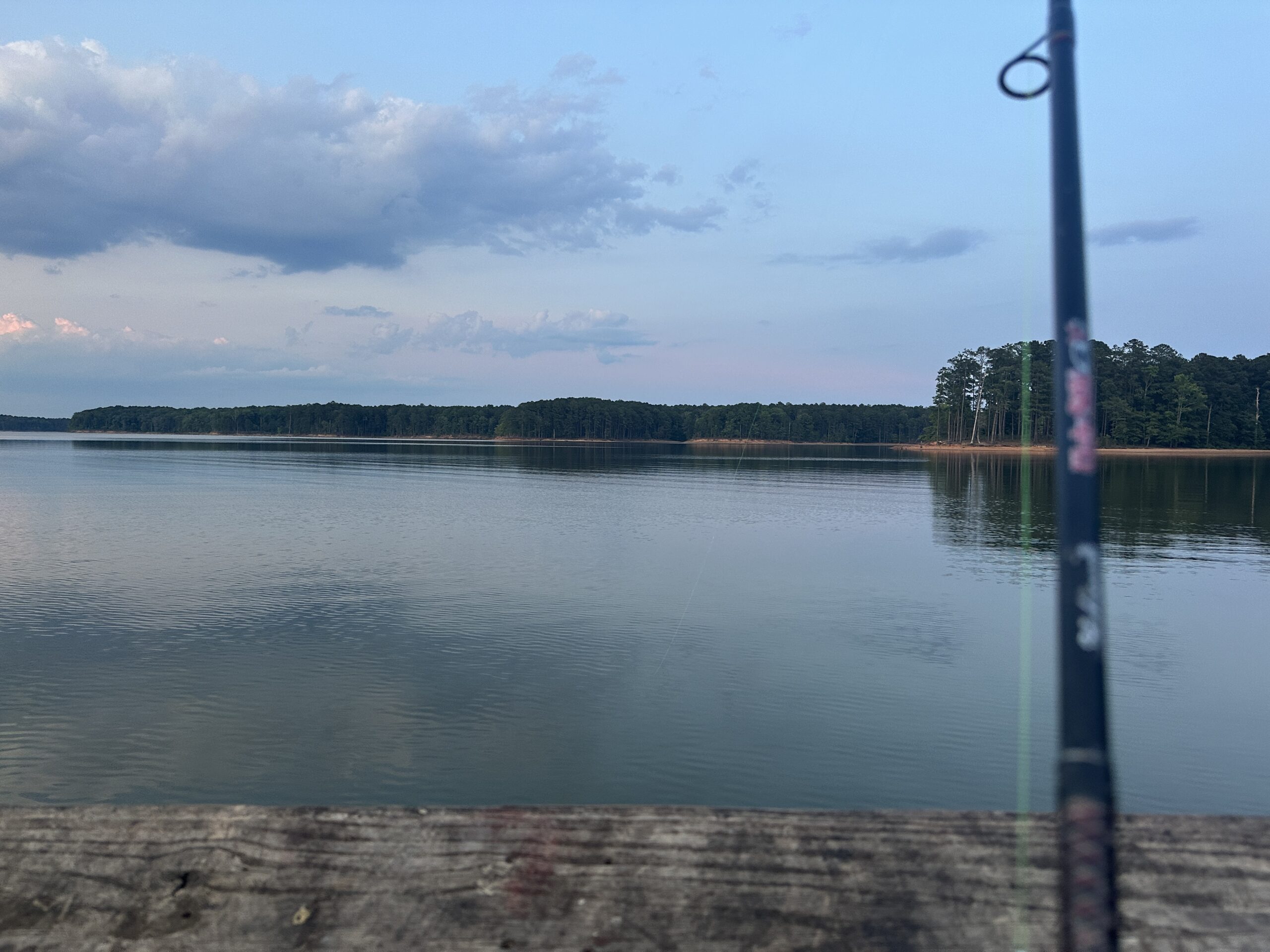
By the time we got to Beaver Creek PFA, it was around 7 PM. The water level was noticeably low, probably because there had not been much rain for a while. Low water can change how fish move, where they hold, and how close they are willing to come to the pier. There were already about a dozen people fishing, so we found a spot and got set up.
At first, the action was slow. A few small bluegill and white perch were being caught, but nothing too exciting was happening. It felt like one of those evenings where you might just enjoy being outside, watch the water, and be happy with whatever bites.
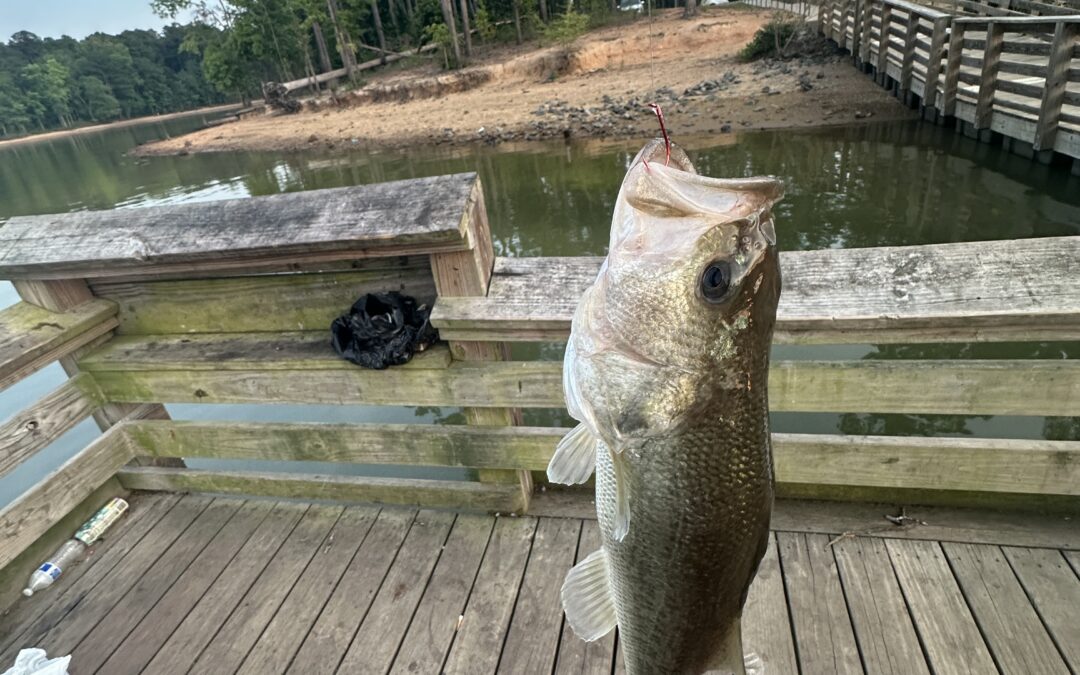
Then, after about an hour, things started to change. The bite slowly picked up. Channel catfish and blue catfish started showing up, and the pier began to feel a little more alive. Then came the catch that made the whole trip worth it: a big largemouth bass pulled from Beaver Creek PFA after what had started as a slow evening.
That is one of the best parts of freshwater fishing in North Carolina. You can have a slow start, make a few adjustments, stay patient, and suddenly the entire trip changes with one fish.
Quick Answer: Beaver Creek PFA Fishing
Beaver Creek PFA can be a good freshwater fishing spot for anglers looking to catch bluegill, white perch, catfish, and largemouth bass from the pier or bank. On this evening trip, the water was low, the bite started slowly, and worms were the backup bait after live minnows were sold out. Small bluegill and white perch showed up first, then channel catfish and blue catfish became more active, and the trip ended with a big largemouth bass. For anglers fishing Beaver Creek PFA, it helps to bring worms, live minnows if available, small hooks, bobbers, catfish bait, and a few bass lures.
Low Water and Slow Fishing Conditions
The water level at Beaver Creek PFA was low, and that likely affected the bite. When water levels drop, fish may pull away from shallow edges, move closer to deeper water, hold tighter to structure, or become more cautious. Low water can also make the pier feel less productive at first because fish may not be positioned exactly where anglers expect them to be.
Around 7 PM, the pier had roughly 12 people fishing. That is enough activity to get a sense of what is happening, and early on, the bite was slow. Small bluegill and white perch were showing up, but the larger fish were not immediately active.
This is where patience matters. Evening fishing can change quickly. As the sun drops, temperatures cool, shadows get longer, and fish may move in to feed. A slow first hour does not always mean the rest of the night will stay slow.
Bluegill, White Perch, and Catfish Action
The first steady action came from smaller fish. Bluegill and white perch were around, which is common in many North Carolina public fishing areas. These fish can be fun on light tackle and are also a good sign that there is life around the pier.
After about an hour, the bite improved. Channel catfish and blue catfish started coming through. Catfish are often a good target in the evening, especially when fishing from the bank or a pier. They may move around more as light fades, and they can be caught with simple bait presentations.
For catfish, worms can work, but other good options include cut bait, chicken liver, shrimp, stink bait, and prepared catfish bait. If live minnows are not available, worms are still a useful backup because they can catch multiple species.
The shift from small bluegill and white perch to catfish made the trip feel more promising. Even before the bass showed up, the bite had clearly started to improve.
What Worked on This Trip
The most important thing that worked was staying patient. The first hour was not fast, but the bite improved with time.
A few takeaways from this Beaver Creek PFA fishing trip:
Worms still worked even though live minnows were sold out.
Evening fishing improved as the light changed.
The pier produced several species, including bluegill, white perch, channel catfish, blue catfish, and largemouth bass.
Low water did not stop the bite completely, but it may have slowed things down early.
Staying longer made the difference.
For anglers planning a similar trip, it may be worth bringing more than one bait option. Live minnows, worms, cut bait, and small artificial lures can all have a place depending on what fish are active.
The Big Largemouth Bass
The highlight of the evening was the big largemouth bass.
After a slow start, pulling a largemouth bass like that from the pier completely changed the trip. Largemouth bass are one of the most popular freshwater fish in North Carolina, and a big bass from a public fishing area is always exciting.
Bass can be unpredictable around piers and public access areas. Sometimes they sit close to structure, hang near baitfish, patrol drop-offs, or move in during low-light periods. Evening can be a good time to catch bass because they may become more active as light levels drop.
This catch was a reminder that even when the bite seems slow, it is worth staying ready. One cast, one bite, or one fish can turn a quiet fishing trip into a story worth telling.
What I Would Bring Next Time
Falls Lake can also produce white bass and striped bass action. These fish often relate to baitfish, open water, points, humps, creek channels, and areas where current or wind pushes bait.
When white bass or striped bass are schooling near the surface, the action can happen quickly. Watch for birds, surface splashes, baitfish flickering, and fish busting on top.
Good lures include:
- Small spoons
- Inline spinners
- Crankbaits
- Swimbaits
- Blade baits
- Small topwater plugs
- Jigging spoons
If fish are feeding on top, cast beyond the school and retrieve through the activity. If fish are deeper, use spoons, blade baits, or swimbaits near bait marks and channel edges.
Did You Fish? Beaver Creek PFA Fishing
This Beaver Creek PFA fishing trip started slow, but it ended with exactly the kind of fish that keeps anglers coming back. The original plan was to fish live minnows, but when the bait shop was sold out, worms became the backup. That is a common part of freshwater fishing in North Carolina. You can plan all you want, but sometimes the bait, weather, water level, or fish activity forces you to adjust. In this case, the worms still produced action, and the evening turned into a memorable trip.
When we arrived around 7 PM, the water was low, the pier had about a dozen anglers, and the early bite was quiet. Small bluegill and white perch were the first fish showing up, which made it feel like the night might be average at best. But fishing from a pier, bank, or public fishing area often rewards patience. As the evening went on, the bite improved. Channel catfish and blue catfish started showing up, and then the big largemouth bass made the whole trip worth it.
For anglers searching for Beaver Creek PFA fishing tips, this trip shows why it helps to stay flexible. If live minnows are not available, worms are still a good backup bait for bluegill, white perch, catfish, and even bass. If the water is low, fish may not be in their usual places, so it helps to fish patiently and pay attention to deeper water, shade, structure, and changes in activity. If the bite is slow early, do not give up too fast, especially near sunset. Evening fishing can change quickly as light levels drop and fish begin moving.
Beaver Creek PFA can be a good place for anglers looking for North Carolina freshwater fishing without needing a boat. It offers opportunities for pier fishing, bank fishing, family fishing, and simple bait fishing. Depending on conditions, anglers may find bluegill, white perch, channel catfish, blue catfish, largemouth bass, and other freshwater species. This trip was a good reminder that not every fishing outing starts with fast action. Sometimes it starts with sold-out minnows, pricey worms, low water, and a slow pier bite. But if you stay patient, keep a line in the water, and adjust to what the fish are doing, one big largemouth bass can turn the whole night around.
At Did You Fish, these are the kinds of trips we like to share because they show what fishing is really like. It is not always perfect. The bait shop may be out of what you wanted. The water may be low. The first hour may be slow. But every trip teaches you something, and every cast has a chance to change the story. This Beaver Creek PFA fishing trip ended with a big bass finish, and that made the slow start worth it.
Beaver Creek PFA Fishing FAQs
What can you catch at Beaver Creek PFA?
Anglers may catch bluegill, white perch, channel catfish, blue catfish, largemouth bass, and other freshwater species at Beaver Creek PFA depending on conditions, bait, season, and time of day.
Is Beaver Creek PFA good for bank or pier fishing?
Yes. Beaver Creek PFA can be a good option for pier fishing and bank fishing, especially for anglers who want a simple freshwater fishing trip without needing a boat.
What bait works at Beaver Creek PFA?
Worms are a good all-around bait for bluegill, white perch, catfish, and sometimes bass. Live minnows can also be useful when available. For catfish, anglers may also try cut bait, chicken liver, shrimp, stink bait, or prepared catfish bait.
Does low water affect fishing at Beaver Creek PFA?
Low water can affect fishing because fish may move away from shallow areas, hold closer to deeper water, or relate more tightly to structure. When water is low, anglers should be patient and pay attention to deeper areas, shade, drop-offs, and changes in fish activity.
Is evening a good time to fish Beaver Creek PFA?
Evening can be a good time to fish Beaver Creek PFA because fish may become more active as the sun drops and temperatures cool. On this trip, the bite started slowly around 7 PM but improved after about an hour.