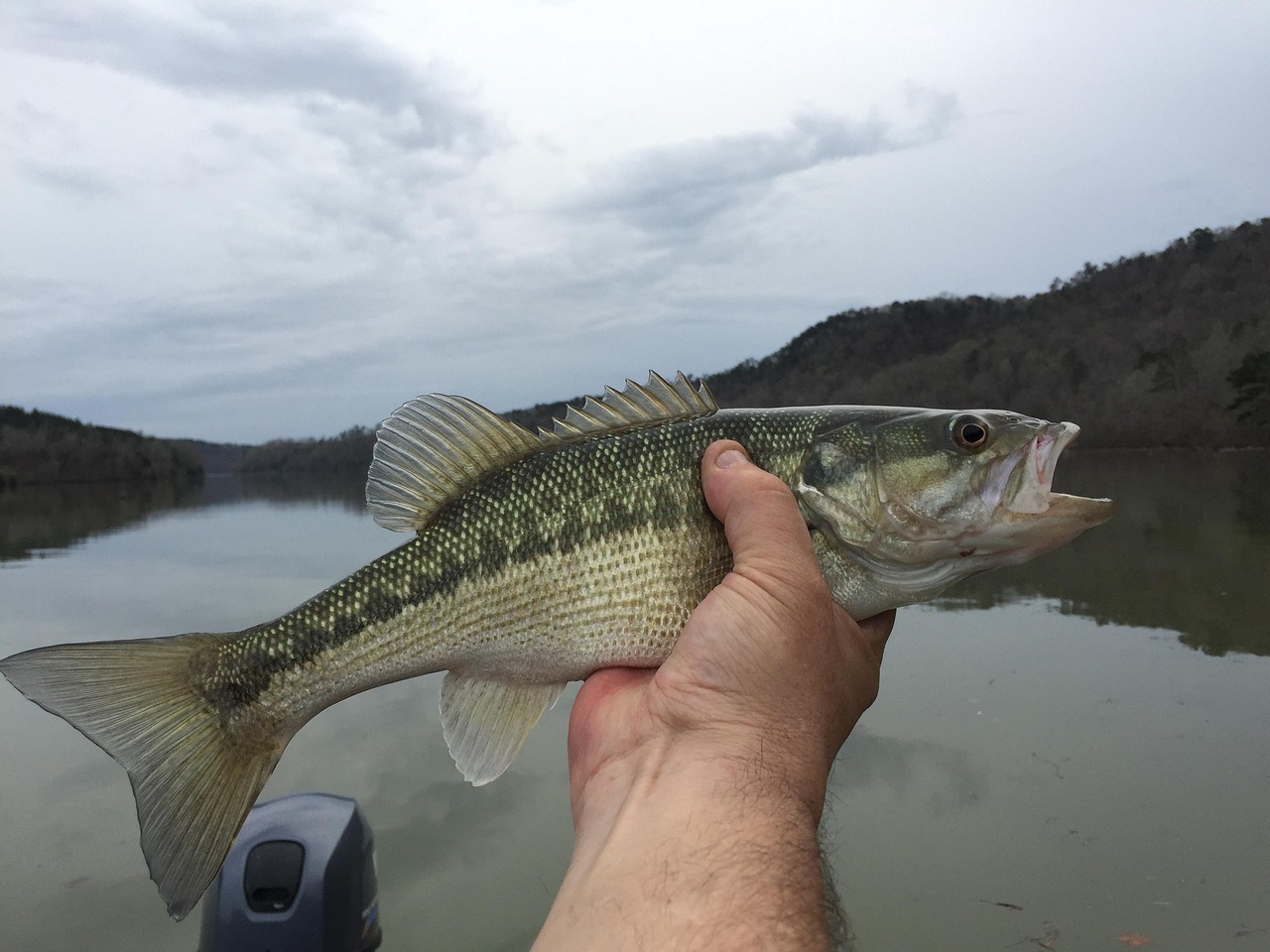
Can You Fish at Jordan Lake Year Round?
Yes, you can fish at Jordan Lake year round, but access and fishing success vary by season. Some areas have seasonal limitations, and fish behavior changes significantly during colder and hotter months.

Fishing at Jordan Lake by Season
Spring
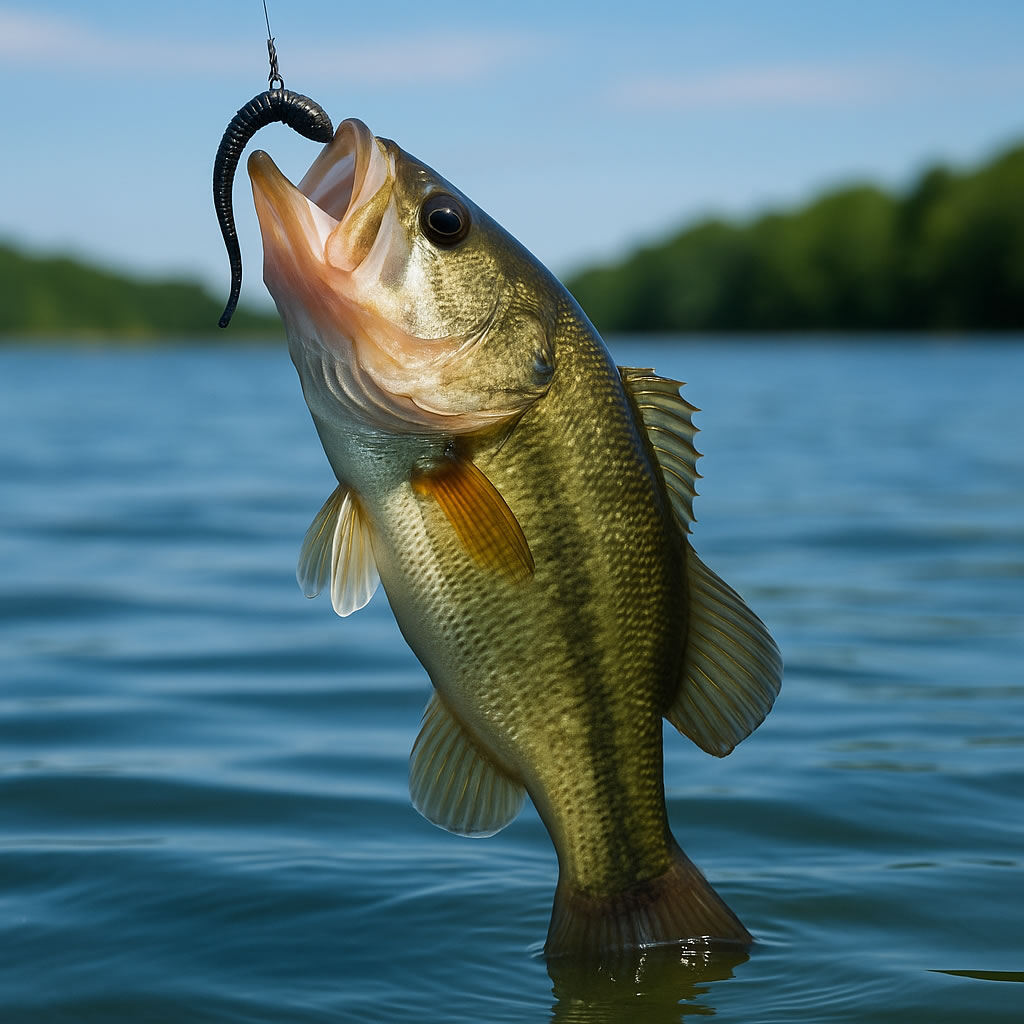
Spring is one of the best times to fish at Jordan Lake. As water temperatures rise, largemouth bass move into shallow areas to spawn, making them more accessible from both shore and boat. Crappie and catfish activity also increases in spring, especially near creek mouths and submerged structure. Fishing pressure rises this time of year, but success rates are generally high.
Summer
Summer fishing at Jordan Lake can be productive, but timing matters. Fish tend to move deeper during the hottest parts of the day, making early morning and late evening the most effective times to fish. Bass often hold near drop-offs and underwater structure, while catfish remain active throughout the summer. Shore fishing can be tougher midday due to heat and boat traffic.
Fall
Fall offers consistent fishing as water temperatures cool and fish feed aggressively in preparation for winter. Bass, crappie, and white perch become more active and are often found chasing baitfish in shallower water. Fall is a strong season for anglers looking for steady action without the heavy crowds of spring and summer.
Winter
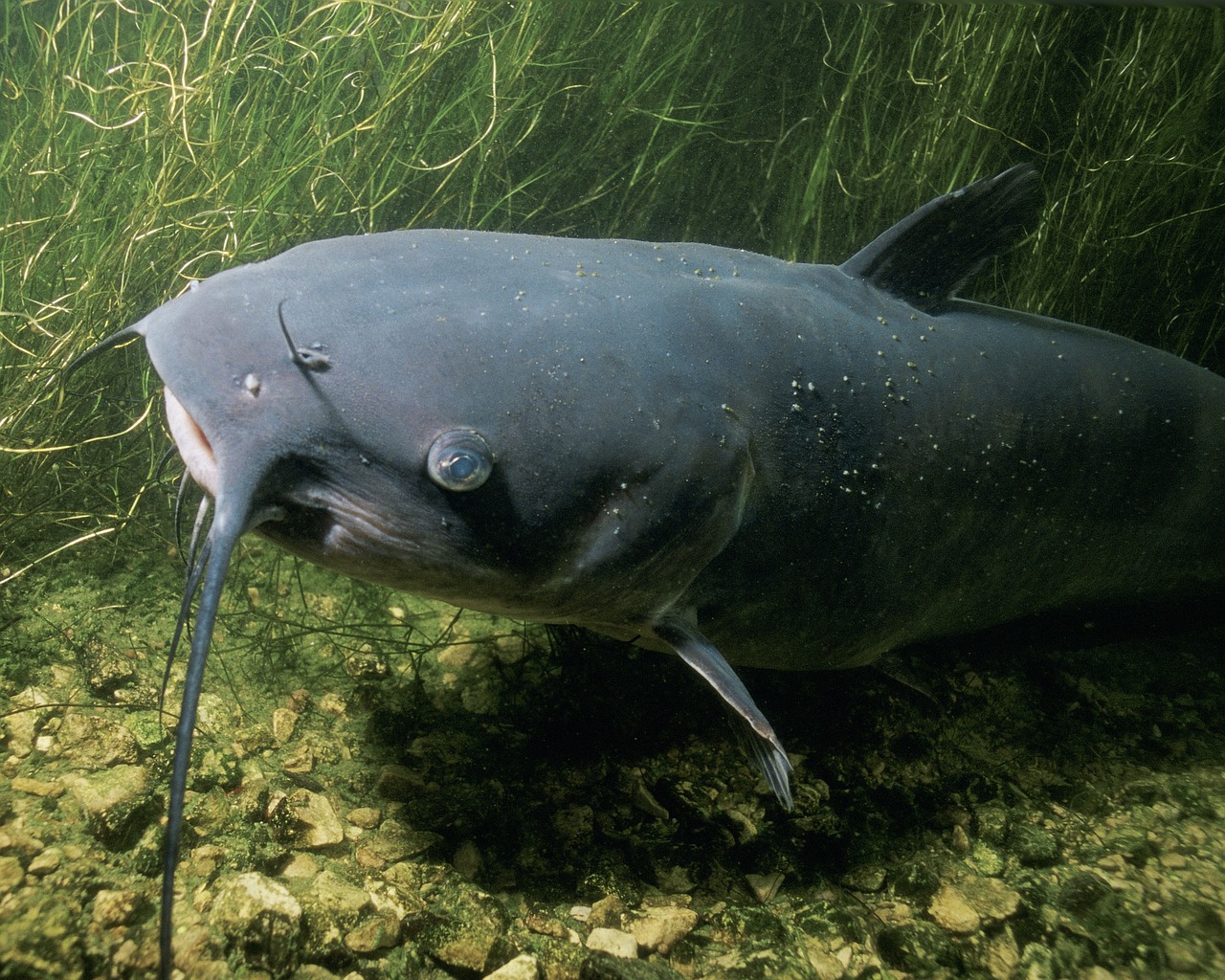
You can fish Jordan Lake in winter, but expectations should be adjusted. Fish are less active and tend to stay in deeper water, which can make shore fishing more challenging. Catfish are typically the most reliable winter target. Success often depends on slower presentations and fishing during warmer parts of the day.
Access Rules at Jordan Lake
Shore fishing
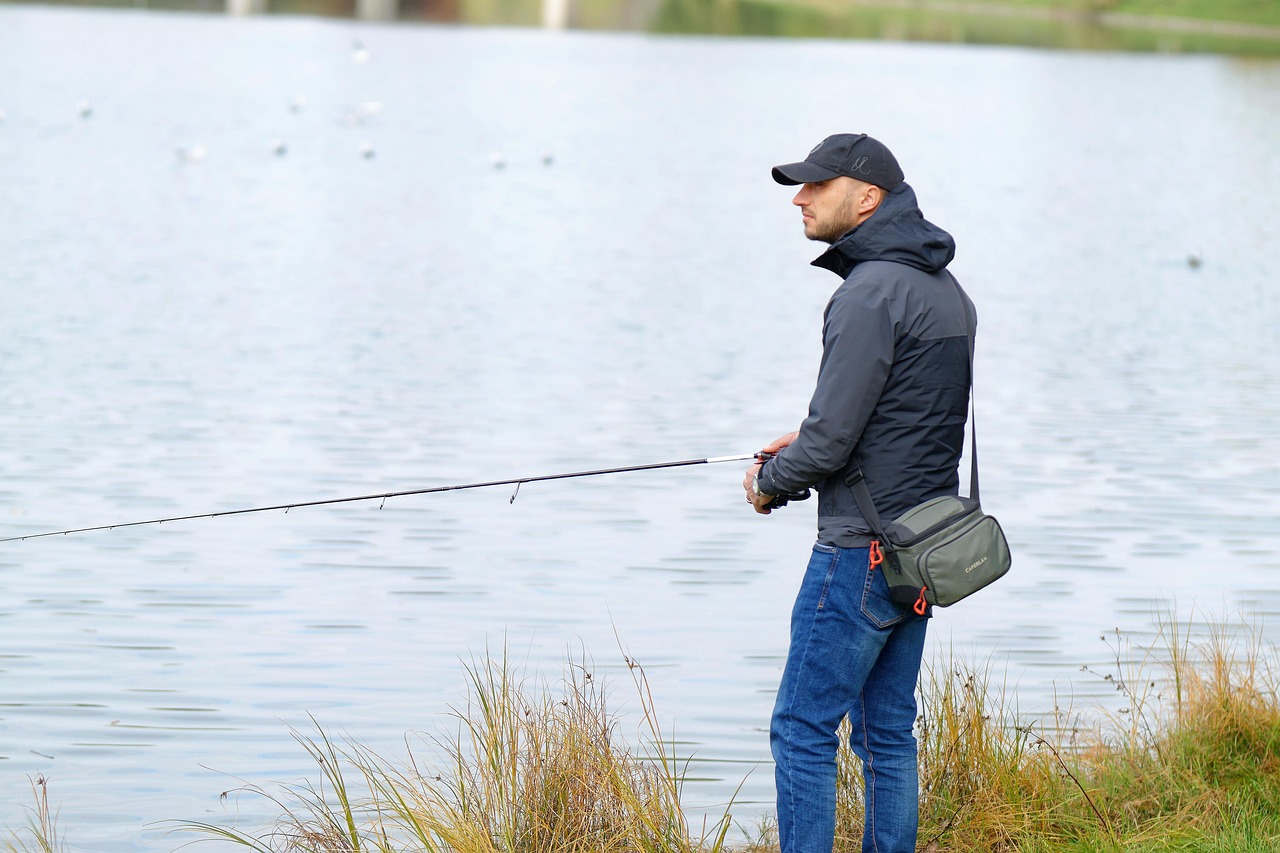
Shore fishing is allowed at Jordan Lake in designated public access areas, including state recreation areas, fishing piers, and shoreline sections open to the public. Anglers must stay within posted boundaries and should avoid restricted or environmentally sensitive areas. Shore access can be limited in some locations due to vegetation, water levels, or seasonal conditions, so checking access points in advance is recommended.
Boat access
Boat fishing is permitted on Jordan Lake, with multiple public boat ramps available around the lake. Boats must comply with North Carolina boating regulations, including safety equipment requirements. During peak seasons, boat traffic can be heavy, especially on weekends and holidays, which can affect fishing conditions in some areas.
Park hours
Jordan Lake recreation areas generally operate from early morning until evening, but exact hours can vary by access point and season. Fishing is allowed during posted park hours, and anglers should always follow signage at individual recreation areas. Night fishing may be restricted in certain locations depending on park rules and access point policies.
License requirements
Most anglers fishing at Jordan Lake are required to have a valid North Carolina fishing license. This applies to both shore and boat fishing, with some age-based and special exemptions. For full details on who needs a license and when exemptions apply, see our North Carolina fishing license guide.
Fishing Licenses and Rules
Popular Fish Species in Jordan Lake
- Largemouth Bass
- Crappie
- Channel Catfish
- Bluegill
- White Bass
- Flathead Catfish
- Largemouth Bass
- Crappie
- Channel Catfish
- Bluegill
- White Bass
- Flathead Catfish
- Largemouth Bass
- Crappie
- Channel Catfish
- Bluegill
- White Bass
- Flathead Catfish
Essential Fishing Tips for Jordan Lake
Maximize your catch at Jordan Lake by fishing during the early morning or late evening when fish are most active. Use live bait like minnows or worms for crappie and bass. For catfish, try chicken liver or stink bait. Explore different depths with a fish finder to locate schools of fish, and don’t forget to check the weather conditions as they can greatly influence fish behavior. Always keep your tackle box well-stocked and be prepared for changing conditions.
To enhance your fishing experience at Jordan Lake, consider using a variety of lures to attract different species. Spinnerbaits and crankbaits work well for bass, while small jigs are effective for crappie. Pay attention to water temperature and clarity, as these factors can affect fish activity. Remember to respect local regulations and practice catch and release to preserve the fish population for future generations.
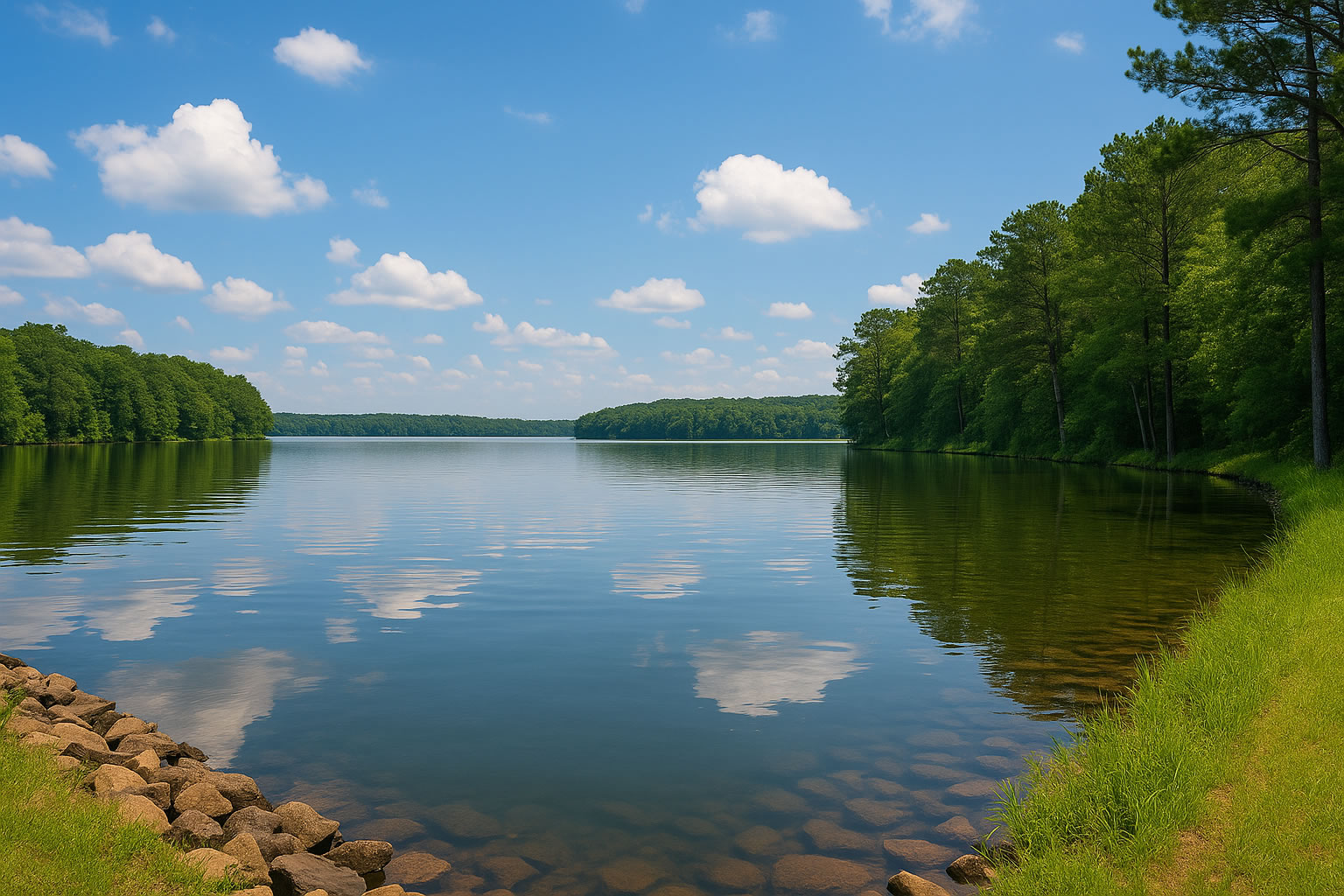
Explore the Beauty of Jordan Lake
Jordan Lake Fishing Gallery