Fly Fishing in the North Carolina Mountains: Where to Start
Fly fishing in the North Carolina mountains is one of the best ways to experience freshwater fishing in the state. From cold trout streams and clear mountain rivers to stocked waters, wild creeks, delayed harvest streams, and small-town trout destinations, western North Carolina gives anglers a wide range of places to start.
The North Carolina mountains are known for trout fishing, especially rainbow trout, brown trout, and brook trout. Some waters are stocked by the North Carolina Wildlife Resources Commission, while others hold wild trout. Some areas are beginner-friendly and easy to access, while others require hiking, careful wading, and more experience.
This guide is written for beginners and casual anglers who want to understand where to start fly fishing in the North Carolina mountains, what gear to bring, what types of trout water to look for, and how to plan a simple first trip.
Quick Answer: Fly Fishing in the North Carolina Mountains
The best way to start fly fishing in the North Carolina mountains is to choose easy-access trout water, bring a simple 4-weight or 5-weight fly rod, use basic flies like nymphs, dry flies, and small streamers, and check current North Carolina trout regulations before fishing. Good beginner areas include mountain towns and trout waters near Asheville, Boone, Brevard, Cherokee, Bryson City, Hendersonville, Waynesville, Banner Elk, and other western North Carolina destinations.
Why the North Carolina Mountains Are Good for Fly Fishing
The North Carolina mountains have the cold water, elevation, stream habitat, and trout management programs that make fly fishing possible across much of the western part of the state. Anglers can find small creeks, larger rivers, stocked trout waters, delayed harvest streams, wild trout waters, hatchery supported waters, and public access areas.
One of the biggest advantages of fly fishing in North Carolina is variety. Some waters are close to towns and easy for beginners to reach. Others are remote mountain streams where anglers can hike, wade, and fish for wild trout in more natural settings.
The North Carolina Wildlife Resources Commission provides public fishing access tools and trout water information to help anglers find legal places to fish. Its interactive fishing access map lets anglers search public fishing areas and NCWRC-managed trout waters throughout the state.
Best Areas to Start Fly Fishing in Western North Carolina
Western North Carolina has many good starting areas for fly fishing. You do not need to know every stream to begin. Start with regions that have public access, fly shops, guide services, stocked waters, and clear trout regulations.
Good beginner regions include:
- Asheville
- Brevard
- Hendersonville
- Waynesville
- Bryson City
- Cherokee
- Boone
- Banner Elk
- Maggie Valley
- Sylva
- Cashiers
- Murphy
- Marion
- Old Fort
These areas can put anglers near trout streams, stocked waters, delayed harvest sections, public access points, and mountain rivers.
For beginners, it can help to choose a stream or river that is known, accessible, and clearly marked. Avoid assuming that every pretty mountain creek is legal or open to fish. Always check land ownership, access rules, and trout water classifications.
Basic Fly Fishing Gear for Beginners
You do not need a complicated setup to start fly fishing in the North Carolina mountains. A simple, balanced outfit is better than too much gear.
A good beginner setup includes:
- 4-weight or 5-weight fly rod
- Matching fly reel
- Floating fly line
- Leaders
- Tippet
- Small fly box
- Nymphs
- Dry flies
- Streamers
- Forceps or hemostats
- Nippers
- Polarized sunglasses
- Wading shoes or boots
- Small landing net
- Fishing license
- Regulation information
- Water and weather gear
A 5-weight fly rod is one of the most versatile beginner choices. It can handle many trout streams and some smallmouth bass water. A 4-weight rod can be fun on smaller trout streams, while heavier rods may be useful for larger rivers or bass.
When Is the Best Time to Fly Fish in North Carolina?
Fly fishing in the North Carolina mountains can be productive during much of the year, but the best season depends on the water, weather, and trout management category.
Spring is one of the most popular times because water temperatures are often good and insect activity increases. Fall can also be excellent, especially as temperatures cool and fish become more active. Winter can produce fish, but slower presentations and deeper pools often matter more. Summer fishing can be good in some higher-elevation or colder streams, but warmer water can stress trout.
In general, trout are most comfortable in cold, oxygen-rich water. During hot weather, anglers should avoid stressing trout in warm water and consider fishing early, targeting colder streams, or choosing another species.
Time of day matters too. Morning and evening can be good, especially during warmer months. Cloudy days and light rain can sometimes improve the bite.
Beginner Tips Before You Go
If you are new to fly fishing in the North Carolina mountains, keep the first trip simple.
- Pick easy-access water
- Check the trout water classification
- Read the posted signs
- Use a simple nymph rig
- Bring a few dry flies and streamers
- Fish slowly and carefully
- Stay low and avoid spooking fish
- Wear polarized sunglasses
- Avoid unsafe wading
- Respect private property
- Handle trout gently
- Release fish quickly when required
- Pack out trash
Do not worry about being perfect. Fly fishing takes practice. The goal of the first trip is to learn how the water looks, how the current moves, how to cast safely, and how trout respond.
What Fish Can You Catch?
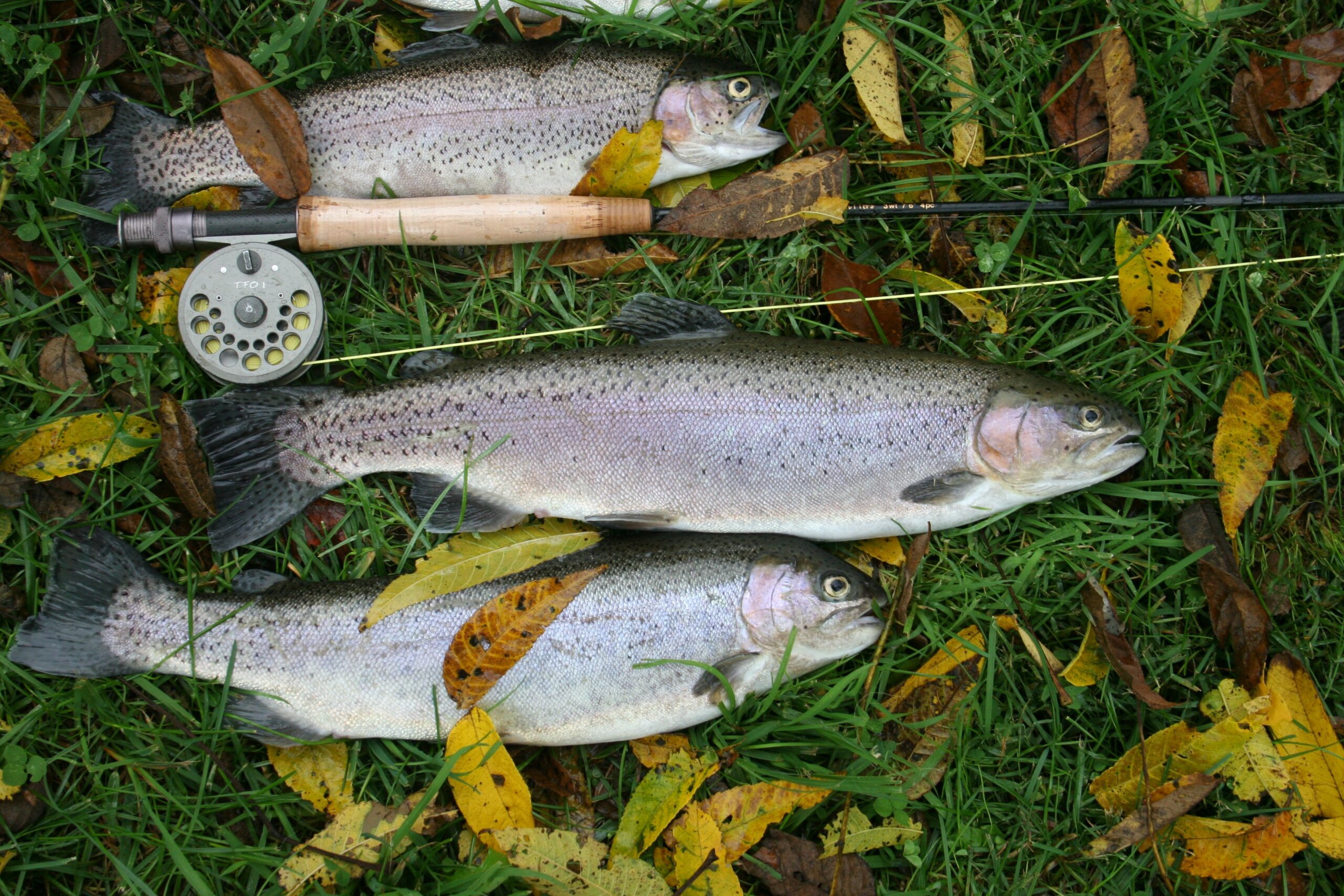
The main fish people target when fly fishing in the North Carolina mountains are trout.
Common trout species include:
Rainbow trout are often stocked and can be a good beginner target. Brown trout can be more cautious and may grow larger in some waters. Brook trout are North Carolina’s native trout and are often associated with colder, cleaner mountain streams.
Depending on the water, anglers may also catch smallmouth bass, rock bass, sunfish, creek chubs, or other freshwater species, especially in warmer rivers and lower-elevation waters.
For a beginner fly angler, trout are usually the main goal, but it is worth remembering that mountain rivers can hold more than one kind of fish.
What Is Delayed Harvest Trout Water?
Delayed Harvest Trout Waters are some of the most important trout-fishing destinations for North Carolina fly anglers. These streams are managed under special seasonal regulations designed to provide catch-and-release fishing during much of the fall, winter and spring.
Under North Carolina Delayed Harvest Trout Waters regulations, catch-and-release rules generally apply from October 1 until 30 minutes after sunset on the Friday before the first Saturday in June. During that period, trout may not be harvested or possessed, only artificial lures with one single hook may be used, and natural bait may not be used or possessed while fishing.
These rules make Delayed Harvest waters especially popular with fly anglers because they closely match common fly-fishing methods. However, regulations change seasonally, so anglers should always confirm the current rules for the specific stream they plan to fish.
For 2026, Delayed Harvest Trout Waters closed to all fishing 30 minutes after sunset on Friday, June 5. They reopened at 6:00 a.m. on Saturday, June 6, for anglers under age 16 only. At noon, the waters opened to all anglers under Hatchery Supported Trout Waters regulations through September 30.
Hatchery Supported, Wild Trout, and Other Trout Waters
Not all trout waters are managed the same way. This is one of the most important things beginners need to understand before fly fishing in the North Carolina mountains.
Different water classifications may have different rules for bait, trout harvest, size limits, tackle and fishing seasons. Some waters are stocked regularly and may be more approachable for beginners. Others are managed for wild trout and may have more restrictive regulations and more cautious fish.
According to the North Carolina Wildlife Resources Commission, Hatchery Supported Trout Waters generally have no minimum size limit, no bait restriction and a daily creel limit of seven trout. However, most Hatchery Supported Trout Waters close to fishing during March and reopen at 7:00 a.m. on the first Saturday in April. Some specifically exempted waters remain open year-round, so anglers should verify the regulations for the exact location they plan to fish.
Delayed Harvest Trout Waters have seasonal lure and harvest restrictions. During the catch-and-release season, these waters are marked with black-and-white signs, trout may not be harvested, and anglers may use only artificial lures with one single hook.
Anglers should also be aware that trout stocking levels may be reduced during 2026, 2027 and possibly 2028 while the Bobby N. Setzer State Fish Hatchery undergoes renovations. Stocking schedules can change, so check current NCWRC information before planning a trip.
Before fishing, identify the exact water classification and check the current regulations. Do not assume the rules are the same from one stream—or even one section of a stream—to the next.
Best Flies for North Carolina Mountain Trout
Fly choice can feel overwhelming, but beginners do not need hundreds of flies. Start with a small box of basic patterns that imitate common trout food.
Good beginner flies include:
- Pheasant Tail Nymph
- Hare’s Ear Nymph
- Zebra Midge
- Prince Nymph
- Copper John
- Woolly Bugger
- Elk Hair Caddis
- Parachute Adams
- Blue-Winged Olive
- Stimulator
- San Juan Worm, where legal
- Egg patterns, where legal
Nymphs are often the most dependable choice because trout feed underwater much of the time. Dry flies can be exciting when fish are rising. Streamers can work when trout are chasing baitfish or when water is higher or stained.
Always make sure your flies are legal for the water you are fishing. On certain waters, bait, scented products, multiple hooks, or certain presentations may not be allowed.
Do You Need a Fishing License?
Yes, most anglers age 16 or older need a valid North Carolina fishing license to fish public inland waters. The type of license required may depend on the angler’s age, residency, the length of the license and the specific water being fished.
Anglers planning to fish Public Mountain Trout Waters should make sure their license includes the privileges required for those waters. Because license options and requirements can change, anglers should review the current North Carolina Wildlife Resources Commission rules before fishing.
North Carolina also offers a special three-day license for designated Mountain Heritage Trout Waters. This license is available to residents and nonresidents for $8, but it is valid only on waters officially included in the Mountain Heritage Trout Waters Program.
License rules can change, so check the North Carolina Wildlife Resources Commission before fishing.
Did You Fish? Fly Fishing in the North Carolina Mountains
Fly fishing in the North Carolina mountains is one of the best ways to explore a different side of North Carolina fishing. For anglers who are used to surf fishing, pier fishing, pond fishing, or lake fishing, mountain trout streams can feel completely different. The water is colder, the casts are often shorter, the fish are more cautious, and reading current becomes just as important as choosing the right fly. That is part of what makes North Carolina mountain fly fishing so rewarding.
The best place to start is not always the most famous stream. Beginners are usually better off choosing accessible trout water near towns like Asheville, Boone, Brevard, Bryson City, Cherokee, Waynesville, Hendersonville, Banner Elk, Sylva, Marion, or Old Fort. These areas give anglers access to fly shops, public trout waters, guide services, local information, and easier places to learn. Instead of hiking deep into remote water on your first trip, start somewhere with clear access and posted regulations. Once you understand how trout water is classified and how to read a stream, you can branch out to smaller creeks, wild trout water, and more technical fly fishing spots.
The most important thing for new anglers is understanding the rules. North Carolina trout waters are not all managed the same way. Delayed Harvest Trout Waters, Hatchery Supported Trout Waters, Wild Trout Waters, Catch and Release waters, and Mountain Heritage Trout Waters can all have different seasons, bait rules, harvest rules, lure restrictions, and creel limits. Before fishing, check the North Carolina Wildlife Resources Commission information, look for signs at the stream, and make sure you know whether you can keep fish, what flies or lures are allowed, and whether natural bait is legal.
For gear, keep it simple. A 4-weight or 5-weight fly rod, floating line, basic leaders, tippet, a small fly box, nippers, forceps, polarized sunglasses, and a landing net are enough to get started. A small selection of nymphs, dry flies, and streamers can cover many beginner situations. Pheasant Tail Nymphs, Hare’s Ear Nymphs, Zebra Midges, Prince Nymphs, Woolly Buggers, Elk Hair Caddis, Parachute Adams, and Blue-Winged Olive patterns are all common starting points. You do not need every fly in the shop to catch trout.
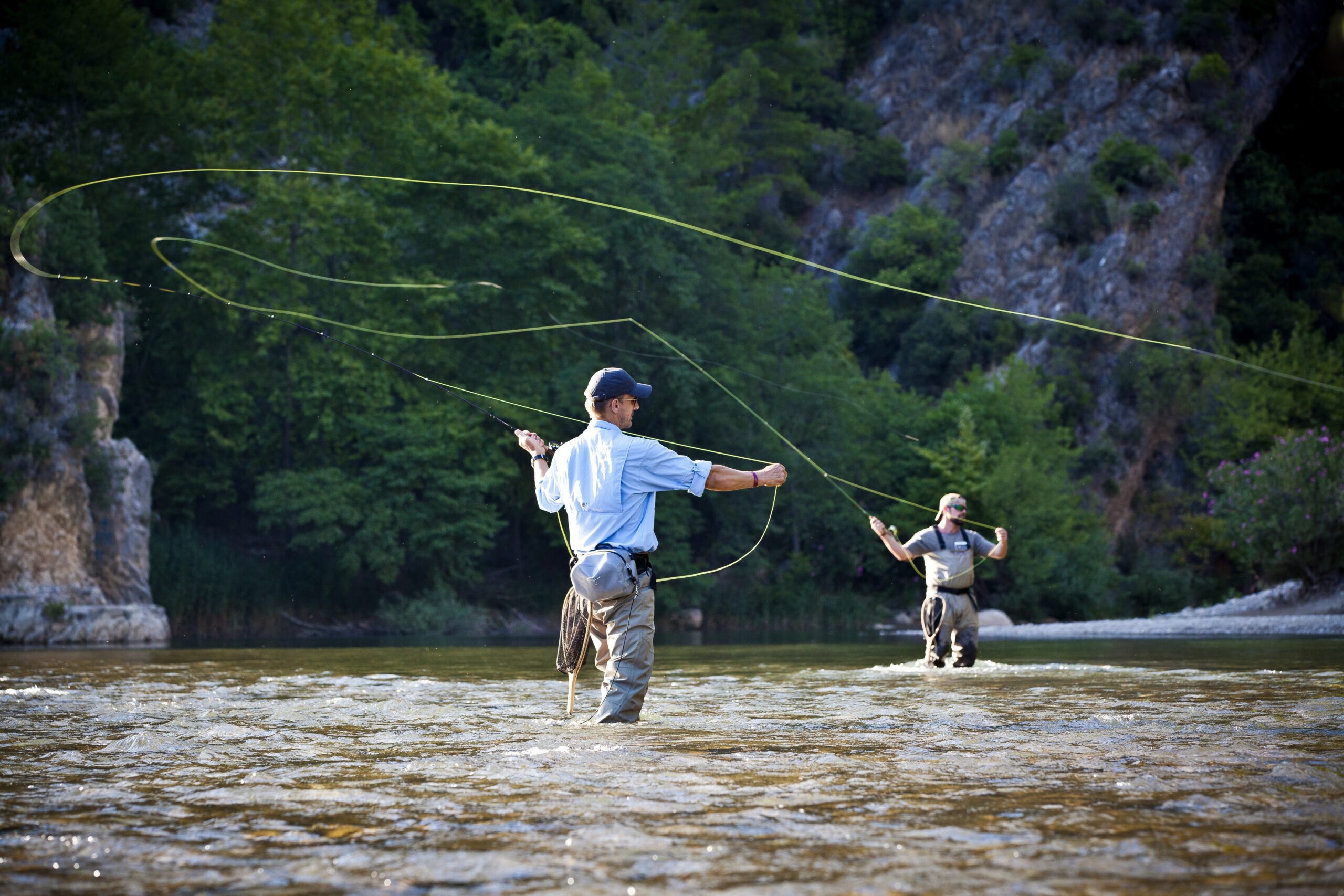
Fly fishing is also about observation. Watch the current. Look for seams, pools, riffles, undercut banks, rocks, shade, and slower pockets where trout can hold without wasting energy. If fish are not rising, start below the surface with nymphs. If you see trout feeding on top, try a dry fly. If the water is stained or slightly higher, a small streamer may be worth trying. Move slowly, avoid standing where you want to fish, and do not rush through good water.
At Did You Fish, we see fly fishing in the North Carolina mountains as a great way to expand beyond the usual fishing trip. It is not just about catching trout. It is about learning mountain streams, understanding coldwater fish, respecting public access, and becoming a more observant angler. Whether you are planning your first fly fishing trip near Asheville, looking for trout fishing near Boone, exploring delayed harvest waters near Brevard, or just trying to understand where to start with NC mountain trout fishing, the best approach is simple: check the rules, start with easy access, bring basic gear, fish slowly, and learn something every time you go.