
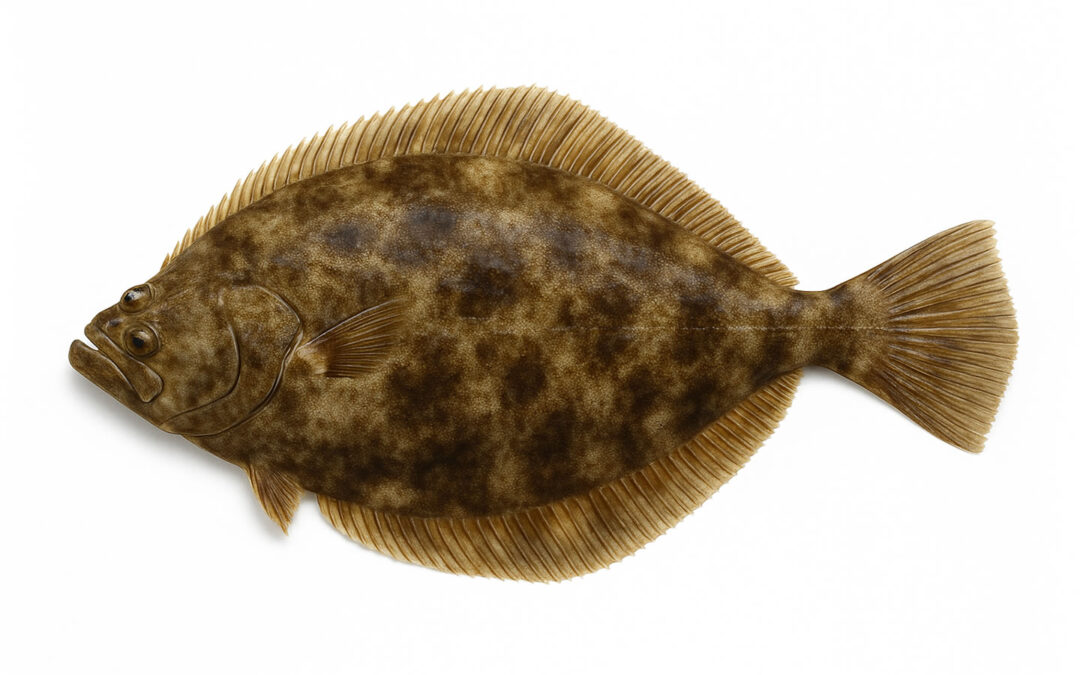
How to Catch Flounder from North Carolina Piers
Flounder are one of the most sought-after saltwater fish along the North Carolina coast. Known for their excellent table fare and unique ambush feeding behavior, flounder provide exciting opportunities for anglers fishing from piers throughout the state. Whether you're casting from Ocean Isle Beach Pier, Bogue Inlet Fishing Pier, Johnny Mercer's Fishing Pier, Kure Beach Pier, or another coastal fishing destination, learning how to catch flounder from North Carolina piers can dramatically improve your success.
Unlike bluefish and Spanish mackerel that actively chase bait near the surface, flounder spend much of their time lying on the bottom waiting to ambush passing baitfish. Understanding where flounder position themselves and how they feed is the key to consistently catching them from piers.
Why Flounder Are Popular Among North Carolina Anglers
Flounder remain one of the most popular inshore saltwater species because they:
- Taste excellent
- Can be caught from piers without a boat
- Fight surprisingly hard
- Are found along much of the North Carolina coast
- Can reach impressive sizes
Many anglers specifically target flounder during late summer and fall when larger fish often move through coastal waters.
Best North Carolina Piers for Flounder Fishing
Flounder can be caught from many fishing piers across North Carolina.
Popular locations include:
- Ocean Isle Beach Pier
- Bogue Inlet Fishing Pier
- Johnny Mercer's Fishing Pier
- Oak Island Pier
- Kure Beach Pier
- Jennette's Pier
- Avalon Pier
Flounder often hold near structure, pilings, drop-offs, and areas where baitfish gather.
How to Catch Flounder from a Pier
Fish the Bottom
Flounder almost always feed near the bottom.
Successful anglers:
- Keep bait near the bottom
- Slowly retrieve lures
- Work along pilings and structure
Focus on current breaks
Fish Around Structure
Fish the Bottom
Flounder often position themselves near:
- Pier pilings
- Sandbars
- Drop-offs
- Channel edges
- Rocks and debris
These areas provide ambush points where flounder can attack baitfish.
Be Patient When Setting the Hook
One common mistake is setting the hook too quickly.
Flounder often:
- Grab the bait
- Hold it briefly
- Reposition it
- Then swallow it
Many anglers wait a few seconds before setting the hook.
Best Time to Catch Flounder in North Carolina
Flounder can be caught throughout much of the year, but certain seasons are more productive.
Spring
Flounder begin becoming more active as water temperatures rise.
Summer
Excellent fishing around piers, inlets, and nearshore structure.
Fall
Many anglers consider fall the best flounder fishing season in North Carolina as fish feed heavily before migrating offshore.
Winter
Opportunities become more limited as fish move to deeper water.
Why Flounder Fishing is So Popular in North Carolina
North Carolina's coastal waters provide excellent habitat for flounder. The combination of inlets, estuaries, marshes, piers, and nearshore structure creates ideal feeding areas for these ambush predators. For many anglers, catching a keeper flounder from a pier is one of the most rewarding experiences in saltwater fishing.
Best Bait for Flounder
Choosing the right bait is critical when targeting flounder from a pier.
Live Bait Options
Live Mud Minnows
One of the most effective flounder baits available.
Finger Mullet
A favorite among experienced North Carolina anglers.
Live Shrimp
Excellent when fish are actively feeding.
Menhaden
Can be effective when available.
Artificial Lures for Flounder
Many anglers successfully catch flounder using:
- Soft plastic paddle tails
- Gulp! baits
- Bucktail jigs
- Curly tail grubs
Slow presentations near the bottom usually work best.
Best Rig for Pier Flounder Fishing
Sheepshead rarely smash a bait. Instead, they often:
- Tap lightly
- Mouth the bait
- Crush it before swimming away
Many experienced anglers watch their line instead of relying on rod movement.
A simple Carolina rig is one of the most popular setups.
Recommended Setup:
- Medium spinning rod
- 10-20 lb braided line
- 20 lb fluorocarbon leader
- Carolina rig or jig head
- Live bait or soft plastic
The goal is to keep your bait close to the bottom where flounder naturally feed.
Best Tides for Flounder Fishing
Moving water is often the key to successful flounder fishing.
The best tides typically include:
• Incoming tides
• Outgoing tides
• Tide changes
Moving water pushes baitfish past waiting flounder and triggers feeding activity.
Common Flounder Fishing Mistakes
Fishing Too High in the Water Column
Flounder are bottom-oriented fish.
Retrieving Too Fast
Slow presentations usually produce more strikes.
Ignoring Structure
Most flounder relate closely to cover and ambush points.
Using Oversized Hooks
Smaller hooks often improve hook-up ratios.
Did You Fish? How to Catch Flounder from North Carolina Piers
Learning how to catch flounder from North Carolina piers is one of the best ways for anglers to experience saltwater fishing along the coast. Flounder are a favorite target because they can be caught from public fishing piers, provide excellent table fare, and are found throughout much of North Carolina's coastal waters. While flounder may not make explosive runs like bluefish or Spanish mackerel, they require skill, patience, and an understanding of their feeding habits, making every successful catch rewarding.
One of the keys to mastering how to catch flounder from North Carolina piers is understanding where these fish position themselves. Flounder are ambush predators that spend most of their time lying on the bottom near structure, waiting for baitfish to pass within striking distance. Pier pilings, channel edges, drop-offs, sandbars, and current breaks are all excellent places to target flounder. Anglers who focus their efforts around these areas while keeping their bait close to the bottom often experience the best results.
Using the right bait can dramatically improve your success when flounder fishing. Live mud minnows, finger mullet, shrimp, and menhaden are among the most productive natural baits used by North Carolina anglers. Artificial lures such as soft plastic paddle tails, bucktail jigs, and scented baits can also be extremely effective when worked slowly along the bottom. Many experienced fishermen consider a slow presentation to be one of the most important factors in catching flounder consistently.
The best time to catch flounder from North Carolina piers is typically during late spring, summer, and fall when water temperatures are warmer and baitfish are abundant. Fall is especially popular because larger flounder often feed aggressively before moving offshore. Fishing during incoming and outgoing tides can also increase your chances of success, as moving water helps bring baitfish into areas where flounder are actively feeding.
Whether you're fishing at Ocean Isle Beach Pier, Bogue Inlet Fishing Pier, Johnny Mercer's Fishing Pier, Oak Island Pier, or another coastal fishing destination, understanding how to catch flounder from North Carolina piers can help you become a more successful angler. At DidYouFish.com, we help anglers discover the best fishing piers in North Carolina, proven fishing tactics, bait guides, and seasonal fishing opportunities throughout the state.
Did you fish today?