
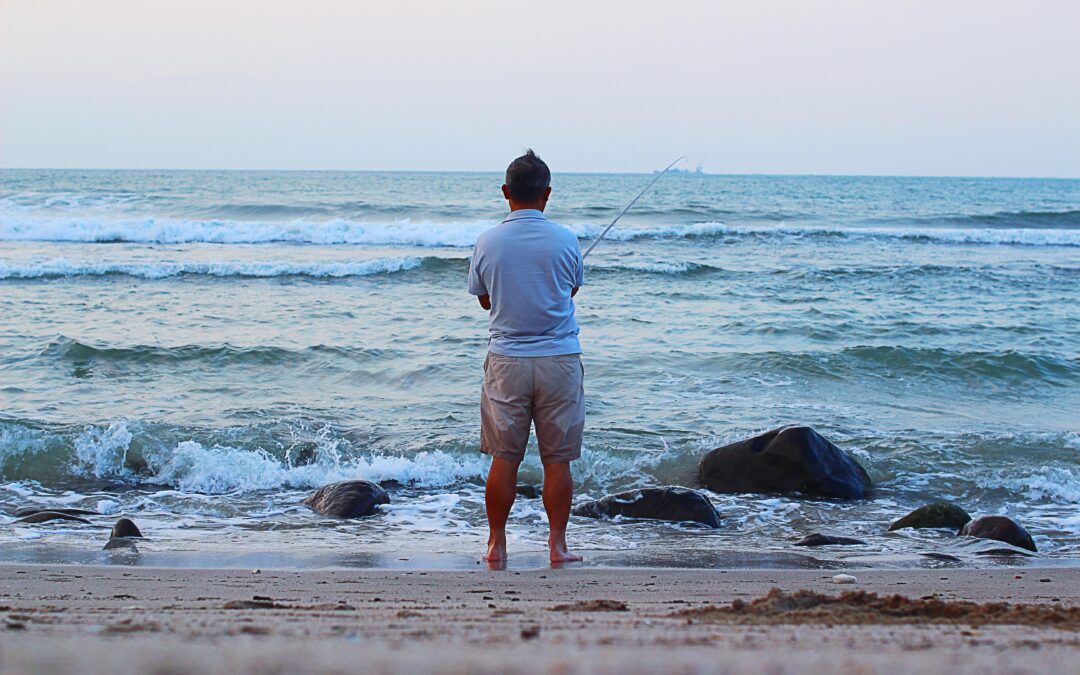
How to Catch Pompano from the Surf in North Carolina
Pompano are one of the most exciting fish you can catch right from the beach in North Carolina. You do not need a boat, expensive gear, or years of fishing experience to target them. With the right bait, a simple surf rig, and a little attention to the waves and tide, you can catch pompano from the sand at many North Carolina beaches.
Pompano are fast, silver-sided fish that often feed close to shore. The Florida pompano is part of the jack family, and North Carolina’s Division of Marine Fisheries describes it as having a deep, compressed body, a short blunt snout, and yellowish fins or belly coloring. Pompano are usually smaller than 3 pounds, but they fight hard for their size and are popular with surf anglers.
Whether you are fishing the Outer Banks, Topsail Island, Emerald Isle, Wrightsville Beach, Oak Island, Ocean Isle Beach, or another stretch of the North Carolina coast, pompano are a great target for beach fishing.
Why Pompano Are Great for Surf Fishing
Pompano are a good fish for beginners because they often feed within casting distance of the beach. Many anglers make the mistake of casting too far when fishing for pompano. Sometimes the fish are right in the first trough, just behind the wash where the waves break.
They are also a great target because the setup is simple. A basic pompano rig, small hooks, fresh bait, and a surf rod are enough to get started. You do not need to throw large lures or heavy tackle. In many cases, smaller bait and lighter gear will catch more pompano.
Pompano are also known as good table fare, which makes them a favorite among anglers who enjoy keeping a few fish for dinner. Before keeping any fish, always check the current North Carolina saltwater fishing regulations, because rules can change by season and species. The North Carolina Division of Marine Fisheries maintains the state’s recreational size and bag limit information
Best Time to Catch Pompano in North Carolina
The best time to catch pompano in North Carolina is usually when the water is warm and clean. Spring, summer, and early fall are good times to target them from the surf. The exact timing can vary depending on water temperature, weather, and bait movement.
Many surf anglers do well during a moving tide. Incoming tide can be especially productive because rising water pushes bait and small crabs closer to the beach. Outgoing tide can also produce fish if it creates cuts, troughs, and moving water where pompano can feed.
Early morning and late afternoon are often good times to fish. These lower-light periods can bring fish closer to shore and make beach fishing more comfortable during the hot summer months.
Where to Cast for Pompano
One of the biggest keys to pompano fishing is learning how to read the surf. You are looking for places where fish can feed easily.
Good places to cast include:
Just beyond the first wave break
The first trough close to shore
Cuts where water is moving back out
Sloughs between sandbars
Edges of deeper water
Areas with sand fleas, small crabs, or baitfish
Do not assume farther is better. Many pompano are caught surprisingly close to shore. Start with one bait close and one bait farther out if you are using more than one rod. This helps you find the zone where fish are feeding.
Best Bait for Pompano
The best pompano bait is usually small, natural bait. Pompano have small mouths, so do not use huge chunks of bait.
Good pompano baits include:
Sand fleas
Fresh shrimp
Fishbites
Small pieces of clam
Small strips of squid
Tiny pieces of cut bait
Sand fleas are one of the classic pompano baits. If you see small V-shaped marks in the wet sand as waves pull back, that can be a sign of sand fleas. Many surf anglers use a sand flea rake to collect them.
Shrimp is another easy bait, especially for beginners. Peel a small piece of shrimp and thread it onto the hook. Keep the bait compact so the pompano can easily take it.
Fishbites are also popular because they stay on the hook well and are easy to keep in a tackle bag. Many anglers use Fishbites by themselves or paired with a small piece of shrimp or sand flea.
Best Gear for Pompano Fishing
You do not need a giant surf rod to catch pompano. A medium or medium-light surf setup works well, especially when the fish are close to shore.
A good beginner setup would be:
7- to 10-foot surf rod
3000 to 5000 size spinning reel
10- to 20-pound braided line
Fluorocarbon or mono leader
Pompano rig
1- to 3-ounce pyramid sinkers
Longer rods help cast farther, but lighter rods make smaller pompano more fun to catch. If you are fishing a calm beach, a 7- or 8-foot rod may be enough. If you are fishing rough surf or need extra casting distance, a 9- or 10-foot rod can help.
How to Fish for Pompano from the Beach
Once your rig is baited, cast into the trough or just beyond the first breaker. Let the sinker settle on the bottom and keep the line tight enough to see bites.
Pompano bites can be quick taps, small bounces, or sudden hard pulls. Because many pompano rigs use circle hooks, avoid jerking the rod too hard. Instead, reel steadily and let the hook set as the fish pulls away.
If you are not getting bites, move. Surf fishing is often a search game. Walk down the beach, try different distances, and look for better water. If one area has no bait, no current, and no signs of life, another spot a few hundred yards away may be much better.
Common Mistakes to Avoid
The biggest mistake is casting too far. Pompano often feed close to shore, especially in the first trough.
Another mistake is using bait that is too large. Small hooks and small baits usually work better.
Many anglers also stay in one place too long. If you have no bites after a reasonable amount of time, move until you find better water.
Finally, do not ignore the tide. Moving water is usually better than dead slack water. Plan your trip around incoming or outgoing tide when possible.
Quick Pompano Fishing Tips
Use small pieces of bait.
Fish the first trough before casting far.
Try sand fleas, shrimp, or Fishbites.
Use a pyramid sinker to hold bottom.
Move if you are not getting bites.
Look for clean water and active surf.
Fish early morning or late afternoon.
Check current North Carolina regulations before keeping fish.
Best Beaches for Pompano Fishing in North Carolina
You can catch pompano along many North Carolina beaches, especially where there is clean water, sandy bottom, and active surf.
Good areas to try include:
Outer Banks beaches
Topsail Island
Emerald Isle
Atlantic Beach
Wrightsville Beach
Carolina Beach
Oak Island
Holden Beach
Ocean Isle Beach
Sunset Beach
You do not always need to find a famous fishing spot. Pompano are often caught by anglers who simply walk the beach, look for good water, and move when the bite is slow.
Largemouth Bass
Bass fishing at Bell’s Church PFA can be hit or miss from the bank, but June gives anglers a chance during low-light periods. Early morning is usually the best window. Focus on shade, riprap, wood, the sides of the pier, and any visible baitfish activity.
Topwater lures can work early, especially around calm water. As the sun gets higher, switch to soft plastics, small swimbaits, shaky heads, or Texas-rigged worms. If the water is stained, use baits with more vibration or a darker profile.
Best bass lures for June:
- Texas-rigged worms
- Shaky head worms
- Small swimbaits
- Spinnerbaits
- Squarebill crankbaits
- Topwater poppers early and late
Best times:
- First light
- Last hour before dark
- Cloudy mornings
After light rain or wind
Best Rig for Pompano Surf Fishing
The most common setup is a pompano rig, sometimes called a double-drop rig. This rig usually has two small hooks, beads or floats, and a sinker clip at the bottom.
A simple pompano rig includes:
Two small circle hooks
Short dropper loops
Small floats or beads
A pyramid sinker
Leader material
Swivel at the top
For most North Carolina surf fishing, a 1- to 3-ounce pyramid sinker is enough, depending on wind, current, and wave size. If the surf is rough, you may need a heavier sinker to hold bottom.
Small hooks are important. Many beginners use hooks that are too large. Pompano have small mouths, so a smaller circle hook often works better.
Tips for Fishing Bell’s Church PFA from the Pier
Bell’s Church PFA can receive pressure, especially during weekends and nice weather. To improve your odds, keep moving until you find fish. Try different depths, different casting angles, and different bait sizes.
Helpful pier-fishing tips:
- Cast along the sides of the pier, not just straight out.
- Fish close before casting far.
- Use small bait for bream and perch.
- Fish the bottom for catfish.
- Try jigs or minnows around lighted areas after dark.
- Watch for baitfish movement.
- Bring more than one type of bait.
A common mistake is assuming the fish are always far from the pier. In June, bream, perch, and even bass may be close to the rocks, shade, or pier supports, especially early in the day.
North Carolina Recreational Size and Bag Limits
Before keeping any fish, check the latest North Carolina Recreational Size and Bag Limits from the North Carolina Division of Marine Fisheries..
Did You Fish? Pompano Fishing North Carolina: Final Beach Tips for Better Results
Pompano fishing in North Carolina is often about paying attention to small details. The beach can look the same from one spot to the next, but pompano are usually feeding where the water gives them an easy meal. Look for cuts in the sandbar, deeper troughs close to shore, and areas where the waves break differently. These small changes can create feeding lanes where sand fleas, shrimp, small crabs, and other bait get washed around in the surf.
One of the best tips for surf fishing for pompano is to avoid overcasting. Many anglers walk onto the beach and try to throw as far as possible, but pompano often feed very close to the sand. The first trough, just beyond where the waves wash back, can be one of the most productive places to fish. If you are using two rods, cast one close and one farther out until you figure out where the fish are biting.
Bait size also matters. Pompano have smaller mouths, so smaller baits usually work better than large chunks. A small piece of shrimp, a fresh sand flea, or a small strip of Fishbites can be enough. Many North Carolina surf anglers like to use a pompano rig with small circle hooks, beads, floats, and a pyramid sinker. The pyramid sinker helps keep the bait in place when the surf is moving.
The best time for pompano fishing in North Carolina is usually during warmer months when the water is clean and the surf is not too rough. Early morning, late afternoon, and moving tides are often the most productive. Incoming tide can be especially good because it pushes bait closer to shore and gives pompano a reason to move into the troughs.
If you are fishing beaches like Ocean Isle Beach, Oak Island, Topsail Island, Emerald Isle, Wrightsville Beach, or the Outer Banks, keep moving until you find active water. Pompano fishing from the surf is not always about waiting in one place. Sometimes walking a short distance down the beach can make a big difference.
Before keeping any fish, always check the latest North Carolina recreational size and bag limits. Regulations can change, and responsible fishing helps protect the resource for future anglers.