Cape Hatteras Surf Fishing Guide: Where to Fish, Best Bait and What You Can Catch
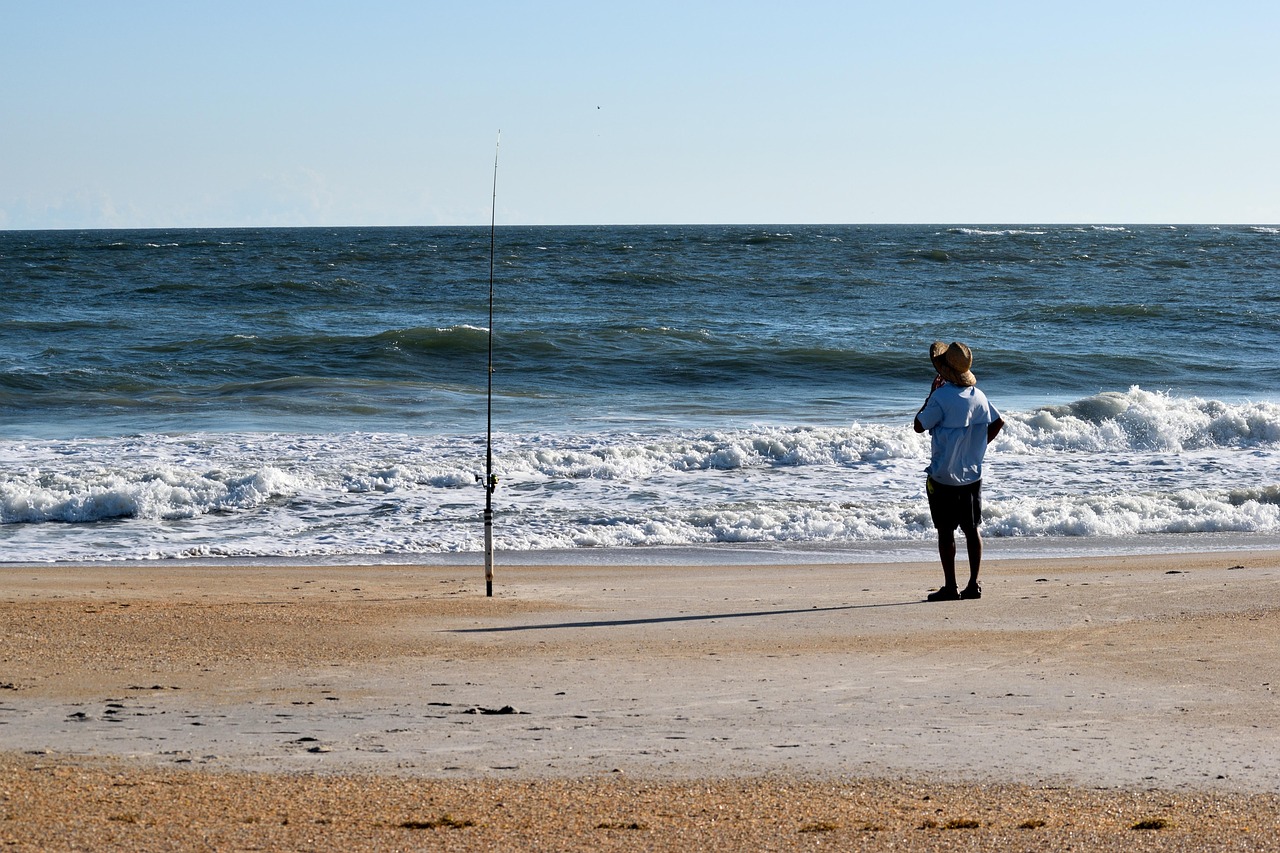
Cape Hatteras is one of the most recognizable surf-fishing destinations on the East Coast. The long beaches, shifting sandbars, deep sloughs, strong currents and meeting of major ocean currents create opportunities to catch everything from sea mullet and pompano to bluefish, Spanish mackerel, red drum and sharks.
Fishing here is not always easy. The beach changes constantly, productive water may move overnight, and strong wind can make an otherwise promising trip difficult. Access can also change because of storms, erosion, wildlife-protection areas and temporary closures.
That uncertainty is part of what makes Cape Hatteras surf fishing so interesting. You are not simply casting into open water. You are trying to identify where waves, currents, baitfish and deeper water come together.
Quick Answer: Is Cape Hatteras Good for Surf Fishing?
Yes, Cape Hatteras is one of North Carolina’s best-known surf-fishing destinations. Anglers can catch red drum, sea mullet, pompano, bluefish, Spanish mackerel, flounder, sharks and other seasonal species from beaches around Buxton, Frisco, Hatteras Village and Cape Point. Spring and fall generally offer the strongest overall surf fishing, but fish can be caught throughout the year.
Cape Hatteras National Seashore includes nearly 70 miles of beach, giving anglers access to a wide range of surf conditions. Some areas can be reached on foot, while designated off-road vehicle routes require an NPS ORV permit. Beach access and closures can change, so always check current National Park Service conditions before choosing a fishing location
Where Is Cape Hatteras?
Cape Hatteras is part of North Carolina’s Outer Banks, a long chain of barrier islands separating the Atlantic Ocean from the sounds and mainland.
When anglers talk about Cape Hatteras surf fishing, they may be referring to several different areas on Hatteras Island, including:
- Rodanthe
- Waves
- Salvo
- Avon
- Buxton
- Cape Point
- Frisco
- Hatteras Village
These beaches do not all fish the same way. Their orientation, depth, sandbars, wind exposure and proximity to inlets can produce very different conditions on the same day.
A stiff wind may make one section rough and dirty while another section of beach remains fishable. Experienced Hatteras anglers often select their location according to wind direction, wave height, current and the species they hope to catch.
Why Is Cape Hatteras Surf Fishing So Popular?
Cape Hatteras extends prominently into the Atlantic Ocean, placing anglers near the interaction of warm and cool ocean currents. Seasonal fish travel along the Outer Banks, and Cape Hatteras can place surf anglers within casting distance of those movements.
The National Park Service describes spring and fall as the strongest overall fishing seasons at Cape Hatteras, although fishing opportunities exist throughout the year.
Cape Hatteras also has a deep surf-fishing culture. Generations of anglers have used long rods, beach-driving vehicles, rod racks, bait coolers and specialized drum-fishing tackle to follow fish along the island.
However, you do not need a fully equipped four-wheel-drive vehicle to begin. Many productive areas can be reached from pedestrian beach accesses, parking areas and established walkovers.
Surf Fishing Around Buxton
Buxton provides access to several well-known sections of ocean beach, including areas near Cape Hatteras Lighthouse and Cape Point.
The water can vary from shallow, gently sloping beach to deeper troughs and sharper drop-offs. Do not assume the most famous location will be the most productive place that day. A quiet stretch with a visible slough, point or washout may hold more fish than a crowded area.
Look for:
- Darker water indicating depth
- Waves breaking on an outer bar
- Calm water between the beach and the bar
- Rip currents cutting through the sandbar
- Points extending farther into the ocean
- Baitfish activity
- Birds feeding close to shore
Buxton beach access has experienced temporary closures and changing conditions, so current NPS alerts should be checked before every trip.
Surf Fishing Near Hatteras Village
Hatteras Village sits near the southern end of Hatteras Island, close to Hatteras Inlet.
The surrounding beaches can provide opportunities for red drum, bluefish, sea mullet, pompano, sharks and other species moving through the inlet and along the beach.
Current and bottom conditions can change rapidly near an inlet. Use enough sinker weight to hold bottom, but do not wade deeply into unfamiliar moving water.
A strong current that sweeps a heavy sinker sideways can also move an angler off balance. When the ocean is rough, fish from the dry sand rather than trying to reach slightly deeper water.
Best Time of Year to Surf Fish Cape Hatteras
Spring
Spring brings warming water and increasing fish movement.
Possible catches include:
- Sea mullet
- Blowtoads
- Bluefish
- Puppy drum
- Pompano
- Early Spanish mackerel
Fishing often improves as water temperatures stabilize, but strong winds and late cold fronts can interrupt the pattern.
Summer
Summer surf fishing can be productive, particularly early in the morning and during the evening.
Anglers may catch:
- Pompano
- Sea mullet
- Spanish mackerel
- Bluefish
- Flounder
- Sharks
- Puppy drum
The National Park Service notes that midsummer fishing action is often strongest offshore, but surf anglers can still find fish by concentrating on cooler periods, clean water and moving tides.
Fall
Fall is generally considered one of the best periods for Cape Hatteras surf fishing.
Cooling water and migrating bait may bring:
- Red drum
- Bluefish
- Sea mullet
- Spanish mackerel
- Pompano
- Sharks
This is also a popular season, so famous locations may become crowded when reports spread that fish are being caught.
Winter
Winter fishing is less consistent but can still produce.
Depending on conditions, anglers may encounter:
- Dogfish
- Skates
- Sea mullet
- Puppy drum
- Larger red drum during favorable periods
Stable weather and moderate water temperatures can matter more than the calendar.
Best Time of Day to Surf Fish
Early morning and late afternoon are dependable starting points, especially during summer.
However, tide, water movement and bait activity may be more important than the clock.
Good periods can include:
- The beginning of an incoming tide
- The final hours before high tide
- A falling tide draining a slough
- Dawn during calm summer weather
- Cloudy days with moderate surf
- Periods when baitfish are visible near shore
Avoid relying on one rigid rule. A productive beach feature can hold fish at low tide while another section becomes better near high water.
How to Read the Surf
Learning to read the beach is more useful than memorizing a list of named fishing spots.
Look for sloughs
A slough is deeper water between the beach and an offshore sandbar.
Fish frequently travel through these troughs because they provide deeper water, current and food.
Find cuts in the sandbar
A cut is an opening where water passes through the outer bar.
These areas can concentrate bait and give larger fish a pathway into the trough.
Watch wave patterns
Consistent breaking waves usually indicate shallow water.
A darker area where waves do not break may reveal a deeper channel or hole.
Fish the points
A beach point extending into the ocean can place your bait closer to deeper water and influence current on both sides.
Watch birds and bait
Diving birds, jumping mullet, nervous water and sudden surface strikes may indicate predators feeding nearby.
Keep a casting lure ready even when most of your rods are set up for bottom fishing.
Simple Cape Hatteras Surf-Fishing Setup
For general bottom fishing:
- 9- to 11-foot surf rod
- 4000- to 6000-size spinning reel
- 15- to 25-pound main line
- Shock leader when casting heavy sinkers
- Two-hook bottom rigs
- Fish-finder rigs
- Pyramid or storm sinkers
- Circle hooks in several sizes
- Sand spike
- Pliers
- Bait knife
- Cooler
- Measuring device
- Current regulation information
For large drum or sharks, heavier specialized tackle may be necessary.
Beach Driving and ORV Permits
Driving on designated Cape Hatteras National Seashore beach routes requires an NPS off-road vehicle permit. Permits are currently sold online, and designated routes, hours and closures can change.
The park does not charge a general entrance fee, but it does charge for ORV permits and certain other activities. As of the current NPS fee listing, a 10-consecutive-day ORV permit costs $50, but fees should be confirmed before travel.
Before driving on the beach:
- Reduce tire pressure appropriately
- Carry a tire gauge
- Bring a shovel
- Carry a tow strap
- Avoid sudden acceleration
- Maintain momentum in soft sand
- Stay on designated routes
- Observe speed limits
- Never drive through closed areas
- Check the tide
- Know the vehicle’s clearance and four-wheel-drive system
A heavy vehicle can become stuck quickly in deep sand. Do not assume all-wheel drive is equivalent to a suitable four-wheel-drive beach vehicle.
Common Cape Hatteras Surf-Fishing Mistakes
Casting too far
Fish often feed in the first trough. Spread your baits at different distances.
Using bait that is too large
Match the bait and hook size to the fish you are targeting.
Ignoring the wind
Wind affects water clarity, waves, casting, and sinker hold. Another beach section may fish better.
Staying too long
If good bait produces nothing, study the beach and consider moving.
Using too little weight
Use enough sinker weight to hold bottom without overloading your setup.
Not checking access
Beach ramps and routes can close. Check current conditions before leaving.
Wading too deep
Cape Hatteras currents and drop-offs can be dangerous. Most fish can be reached without risky wading.
Cape Point Surf Fishing
Cape Point near Buxton is one of the most famous surf-fishing locations in North Carolina. It sits where the island bends sharply and currents meet around shifting shoals.
Depending on conditions and access, Cape Point may attract anglers targeting:
- Red drum
- Bluefish
- Spanish mackerel
- Sea mullet
- Pompano
- Sharks
- Cobia
- Other migratory species
Cape Point can also become extremely crowded when fish are running. Vehicles, anglers, long casts and multiple rods may all occupy a relatively concentrated stretch of beach.
Give other anglers room and watch the direction of nearby lines before casting. If someone hooks a large drum or shark, reel in when necessary so the fish can be landed without crossing multiple lines.
Cape Point access is not guaranteed. Routes can close or become restricted because of weather, erosion, nesting birds, sea turtles or other resource-protection requirements. Check the NPS beach-access map and current alerts before driving there.
Surf Fishing Near Frisco
The beaches near Frisco face a somewhat different direction than the beaches north of Cape Point. That can make Frisco a useful alternative when wind or waves make another section difficult to fish.
Frisco may produce:
- Sea mullet
- Pompano
- Puppy drum
- Bluefish
- Flounder
- Sharks
- Spanish mackerel when conditions bring them close
The shallower water can be especially productive when fish move into troughs close to shore. Do not automatically make your longest possible cast. Sea mullet and pompano frequently feed in surprisingly shallow water.
Try placing one bait in the first trough and another farther out until you determine where fish are holding.
What Fish Can You Catch at Cape Hatteras?
Red drum
Red drum are among the fish most strongly associated with Cape Hatteras.
Smaller puppy drum may enter shallow sloughs and troughs, while larger red drum are often targeted with heavy surf tackle, large circle hooks and fresh cut bait.
Productive baits can include:
- Fresh mullet
- Menhaden
- Spot
- Croaker
- Other legal fresh cut bait
Large red drum should be handled carefully and returned promptly when they fall outside the legal harvest slot.
Sea mullet
Sea mullet, also called kingfish or whiting, are among the most dependable surf species for anglers seeking table fare.
They often feed close to shore on:
- Shrimp
- Sand fleas
- Small worms
- Fishbites-style bait strips
Use relatively small hooks and avoid oversized pieces of bait.
Pompano
Pompano may move through the Cape Hatteras surf during warmer periods.
Look for them in clean water around:
- Shallow troughs
- Sandbars
- Beach points
- Areas holding sand fleas
Sand fleas, shrimp and brightly accented pompano rigs are common choices.
Bluefish
Bluefish can range from small snapper blues to much larger fish.
They may strike:
- Cut bait
- Metal spoons
- Casting jigs
- Plugs
- Gotcha-style lures
Bluefish have sharp teeth. Use pliers rather than placing your fingers near their mouths.
Spanish mackerel
Spanish mackerel sometimes move within casting range when clean water and baitfish reach the beach.
Fast-moving metal lures work well. Cast beyond visible bait or feeding activity and retrieve quickly.
A longer surf rod can help, but reaching fish depends more on their distance from shore than simply using heavier equipment.
Flounder
Flounder may be caught around sloughs, cuts, drop-offs and areas where small baitfish gather.
Soft-plastic minnows, bucktails and small live baits can be effective. North Carolina’s flounder seasons and harvest rules can change, so check current regulations before keeping one.
Sharks
Several shark species may be caught from the Cape Hatteras surf.
Small sharks commonly take cut bait intended for drum or bluefish. Larger shark fishing requires heavier equipment, strong leaders and careful release practices.
Do not target a shark unless you have the tools, experience and help needed to release it safely. Never pull a large shark far onto dry sand for photographs.
Best Bait for Cape Hatteras Surf Fishing
A practical bait selection includes:
- Fresh shrimp
- Sand fleas
- Fresh mullet
- Menhaden
- Bloodworms or substitutes
- Squid
- Fishbites-style bait strips
Match the bait size to the fish.
For sea mullet and pompano, use small pieces of shrimp or sand flea on compact hooks.
For red drum, larger pieces of fresh cut bait may be more appropriate.
Fresh bait usually produces better scent and presentation than bait that has been repeatedly frozen and thawed.
Best Surf-Fishing Rigs
Two-hook bottom rig
A two-hook bottom rig works well for:
- Sea mullet
- Spot
- Croaker
- Pompano
- Small bluefish
Use small circle hooks or kahle-style hooks and enough sinker weight to hold bottom.
Fish-finder rig
A fish-finder rig allows a fish to pick up the bait with less resistance.
It can be useful for:
- Red drum
- Bluefish
- Sharks
- Larger bottom-feeding fish
- Pompano rig
A pompano rig typically uses small hooks, floats or brightly colored attractors.
Do not overload it with large pieces of bait.
Casting lure setup
Keep a separate rod ready with:
- Metal spoon
- Casting jig
- Gotcha-style plug
- Bucktail
- Small swimming plug
This lets you respond quickly when Spanish mackerel or bluefish begin feeding.
Beach Access and Temporary Closures
Beach routes and pedestrian access may close because of:
- Storm damage
- Erosion
- Unsafe structures or debris
- Nesting shorebirds
- Sea turtle nests
- Flooding
- Overwash
- Resource-protection areas
Cape Hatteras access is dynamic. The area open during one visit may be restricted during the next.
Check the National Park Service’s current beach-access map and alert page shortly before leaving.
Fishing License and Regulations
Most anglers age 16 and older fishing in designated North Carolina coastal waters need a Coastal Recreational Fishing License
Licenses do not replace species-specific regulations. Check current:
- Size limits
- Creel limits
- Seasons
- Gear restrictions
- Protected species
- Area closures
North Carolina also requires recreational anglers to report harvested flounder, red drum, striped bass, spotted seatrout and weakfish under reporting requirements that began December 1, 2025.
Because coastal rules can change during the year, check current state information immediately before keeping fish.
Related North Carolina Fishing Guides
If you found this Cape Hatteras surf-fishing guide helpful, explore more coastal fishing resources on DidYouFish. Our North Carolina surf-fishing guides cover productive bait, seasonal fish, tackle, rigs and ways to read the beach. You can also explore our Outer Banks fishing information, coastal fishing reports and location guides for other North Carolina beaches.
Cape Hatteras Surf Fishing FAQ
Do I need a fishing license at Cape Hatteras?
Most anglers age 16 and older need a North Carolina Coastal Recreational Fishing License when fishing coastal waters. Certain exemptions may apply, so verify current state rules.
Can I drive on the beach?
Yes, but only on designated ORV routes and with a valid Cape Hatteras National Seashore ORV permit. Routes and hours are subject to change.
What is the best bait?
Fresh shrimp and sand fleas are good for sea mullet and pompano. Fresh cut mullet or menhaden can work for red drum, bluefish, and sharks.
What is the best season?
Spring and fall generally offer the best overall variety, although summer and winter can also produce fish.
Can beginners surf fish Cape Hatteras?
Yes. Beginners can start with a 9- to 10-foot rod, a two-hook bottom rig, fresh shrimp, and an established pedestrian beach access.
Is Cape Point always open?
No. Cape Point and its access routes can close temporarily because of weather, erosion, wildlife protection, or other safety and resource concerns.
Can I keep red drum?
Only red drum that meet current North Carolina harvest rules may be kept. Harvested red drum must also be reported under the state’s mandatory reporting requirements.
Do I need a boat?
No. Cape Hatteras is widely known for fishing directly from the beach.
Did You Fish? Cape Hatteras Surf Fishing
Cape Hatteras surf fishing is difficult to reduce to one beach, one tide or one perfect bait. The island is constantly changing. Sandbars move after storms, deep sloughs fill with sand, new cuts open through the outer bars, and wind can transform clear, calm water into a rough and dirty surf in a matter of hours. That is why successful Cape Hatteras anglers pay as much attention to the beach as they do to their tackle.
Begin by choosing a general area based on the wind, weather and species you hope to catch. Cape Point may be famous, but it is not automatically the best choice every day. Buxton, Frisco, Hatteras Village and other stretches of Hatteras Island can offer better fishing when conditions line up. A productive slough within walking distance of a public beach access may outperform a crowded destination that required miles of beach driving.
Once you reach the sand, take a few minutes to watch the water before setting up. Look for a darker trough, a gap in the breaking waves, a point extending into deeper water or birds working over bait. Place your first baits at different distances. One rod might fish the nearshore trough with shrimp or sand fleas, while another carries fresh cut bait toward the outer edge of a sandbar. Keep a third rod rigged with a metal lure in case Spanish mackerel or bluefish begin feeding within casting range.
Cape Hatteras offers opportunities for beginners, families and serious surf anglers, but preparation matters. Bring enough sinker weight for the conditions, carry multiple rigs and keep pliers, a measuring device and current regulations close at hand. If driving on the beach, obtain the required ORV permit, check route status and carry proper recovery equipment. Access can change without much warning, especially after storms or when temporary wildlife-protection closures are established.
Responsible fishing is equally important. Keep only fish that are legal and that you will use. Handle oversized red drum and sharks carefully, minimize the time they spend out of the water and release them as close to the surf as possible. Pick up discarded line, hooks and bait packaging. Fill unnecessary holes before leaving the beach, and never enter a posted closure.
Cape Hatteras does not need more lists promising a guaranteed secret spot. It needs accurate, current information that helps anglers understand the beach, follow the rules and make better decisions. The most useful fishing report is not simply that someone caught a drum. It explains the general area, tide, water clarity, wind direction and type of bait that produced without crowding a specific piece of water.
Have you been surf fishing Cape Hatteras lately? Share what you caught, the general area you fished, how the water looked and which bait or lures were working. No private spots or exact coordinates are necessary—just a useful report that helps other anglers understand current conditions.